
הנה כמה פעמים אתה צריך להיות ניקוי המקלחת שלך – ואת הדרך הנכונה לעשות את זה
אף אחד לא אוהב להתרחץ באמבטיה שלא נוקתה, אבל כמה מאיתנו קופצים באותו מקלחת יום אחרי יום בלי לנקות את זה בכלל?
הגיע הזמן להתמודד עם מטלה זו כמו מקצוען. ביקשנו לנקות את המאמנים לסלי רייכרט וגלן אנג’לורה, הבעלים של גראוט גיא בניו יורק, על עצה לשמור על מקלחת חורק נקי. שניהם מציעים כי מקלחת צריך קצת יומי TLC וניקוי טוב פעם בשבוע. למרבה הפלא, טיפול מקלחת היא בדיוק כמו על מניעה כפי שהוא על ניקוי. לקרוא ולצפות!

הנה הדרך הנכונה לנקות את המקלחת
מאי 2700:52
שמור את זה יבש
מאז הסביבה כהה, לח הוא מושלם לגידול עובש, עובש וחיידקים, אתה יכול למזער פאנק על ידי השארת המקלחת יבש ככל האפשר כאשר אתה מסיים. לאחר כל שימוש, רייכרט מציע לנקוט בצעדים הבאים:
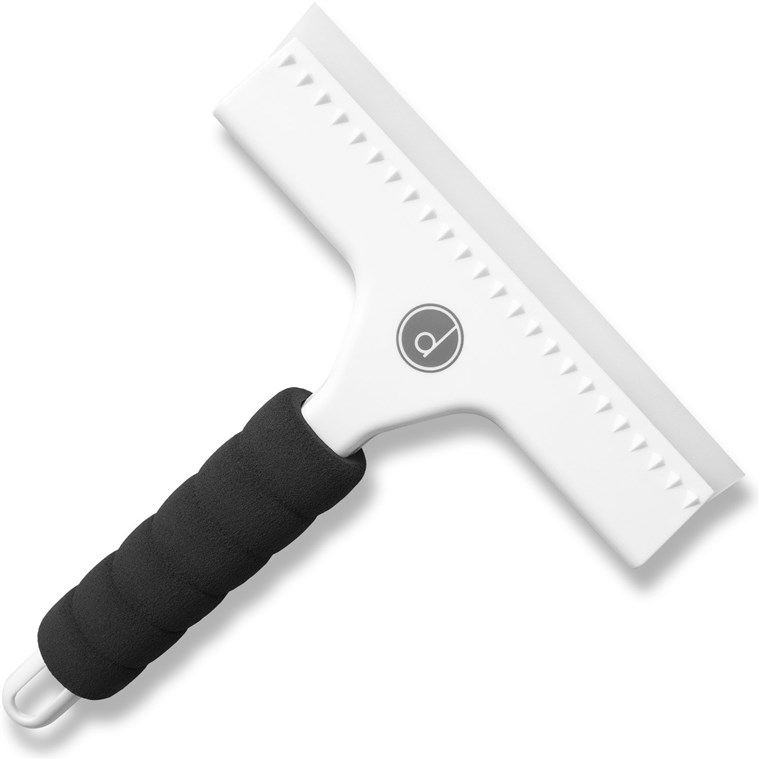
- סוחטים את המים מעל הקירות, הרצפה והדלת.
- נגב את האזורים הללו שוב במגבת כדי להסיר כל עיבוי שאריות.
- השאירו חלון אמבטיה פתוח במשך שעה או להפעיל את המאוורר אוורור במשך 20-30 דקות כדי להפחית את הלחות.
- השאירו את וילון המקלחת או הדלת פתוחה כדי לאפשר לחות להתפזר.
בדוק את מוצרי אמבטיה
אתה יכול להיות הוספת בעיות של המקלחת שלך מבלי להבין את זה. האם ידעת סבון בר אטום משאיר מאחורי חלאה סבון? זה בטוח. הפוך את המתג לשטוף את הגוף נוזלי או מקלחת ג ‘ל וסבון חלאה יהיה דבר של העבר.
האם הדיס במקלחת שלך הופך ורוד, ירוק או צבע אחר יוצא דופן? בדוק את רשימת המרכיבים של השמפו. אם הוא מכיל צבעים, שקול לעבור לאחד מבלי להוסיף צבע. על פי אנג’לורה, הצבעים במוצרים אלה יכולים להכתים את הדיס.
איפה אתה שומר מוצרי אמבטיה במקלחת הוא גם גורם לצמיחה של רפש וטחב. האם השמפו, המרכך ושפשוף הגוף מאוחסנים על רצפת המקלחת? רעיון רע. זה מאפשר למים לאסוף תחת אותם טופס רפש וטחב. עדיף לשמור אותם על מדף או מקלחת לא יכול להיות בעל תחתית מוצקה.
תן לנו לרסס
למרות שאתה עושה את המיטב כדי לשמור על המקלחת יבש, זה בלתי נמנע כי כמה לחות יישאר. נותר ללא פגע, לחות זו יכולה ליצור רפש, עובש וטחב זה לא רק מכוער ומסריח, זה ממש לא בריא.
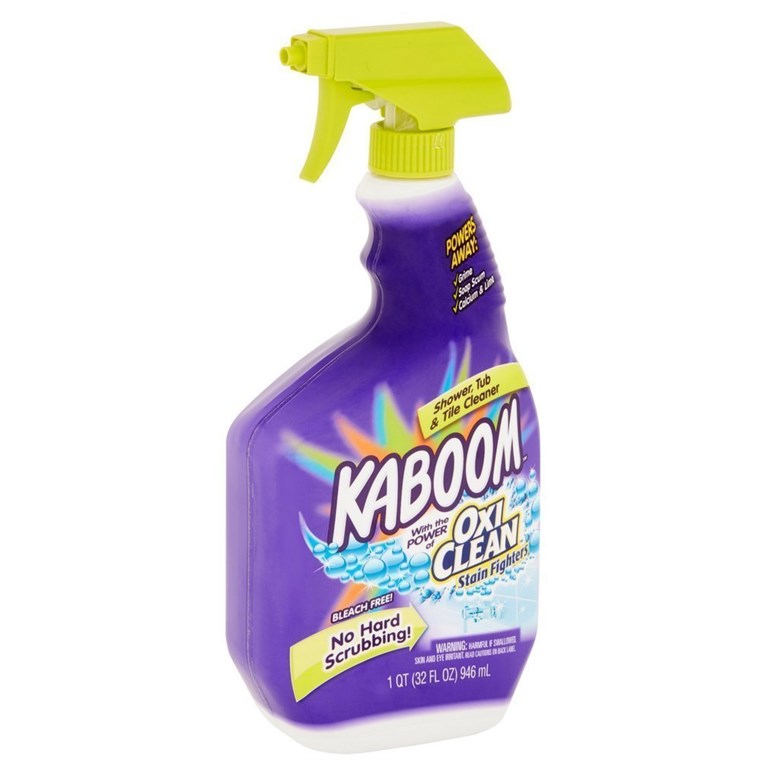
כדי לנפץ את הבעיה הניצן, לרסס את המקלחת כולה פעמיים עד שלוש פעמים בשבוע עם מנקה היטב בדילול מנקה או מלא כוח חומץ לבן מזוקק עם כמה טיפות שמן עץ התה. רייכרט מציע טיפה אחת של שמן לכל 2 גרם של חומץ. חומץ את הלחימה scum ו רפש; עץ התה עץ נלחם עובש עובש. אפשר לזה להתייבש. כמו תמיד, בצע את הוראות היצרן עבור משטח מסוים שלך. אין להשתמש בחומץ על אבן טרוורטין או אבן.
מה אתה צריך לעשות …
… פעם בשבוע
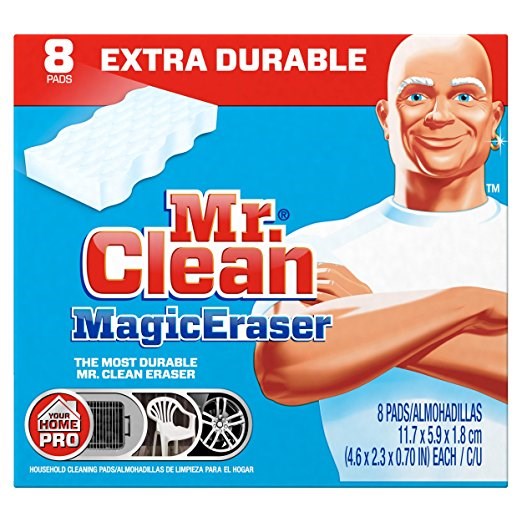
- נגב את דלת המקלחת, אריחי הרצפה והרצפה עם ספוג המחק, כמו מר קליק מג’יק מחק, מציע ריכרט. זה ללא כימיקלים קשים, כך שתוכל להשתמש בו בזמן שאתה עדיין במקלחת.
- נקי לדיס בכל שבוע, או לפי הצורך, תלוי כמה אנשים משתמשים במקלחת. לתפקיד זה, אנג’לורה מציעה להשתמש במברשת שיחים רכה, תערובת של חומץ חד-פעמי לשני מינים של מים ו”שימון מרפק קטן “. הימנע משימוש בכימיקלים קשים, במיוחד אקונומיקה, על הדיס. בטח, מוצרים אלה נותנים לך תוצאות מהירות, אבל הם גם להסיר את מובנה דוחה מים זה בדיס. עם פחות “repellency,” לדיס discolors והוא רגיש עובש.
מר נקי מג ‘יק מחק נוסף עמיד, ניקוי רפידות, $ 13, אמזון
… לפי צורך
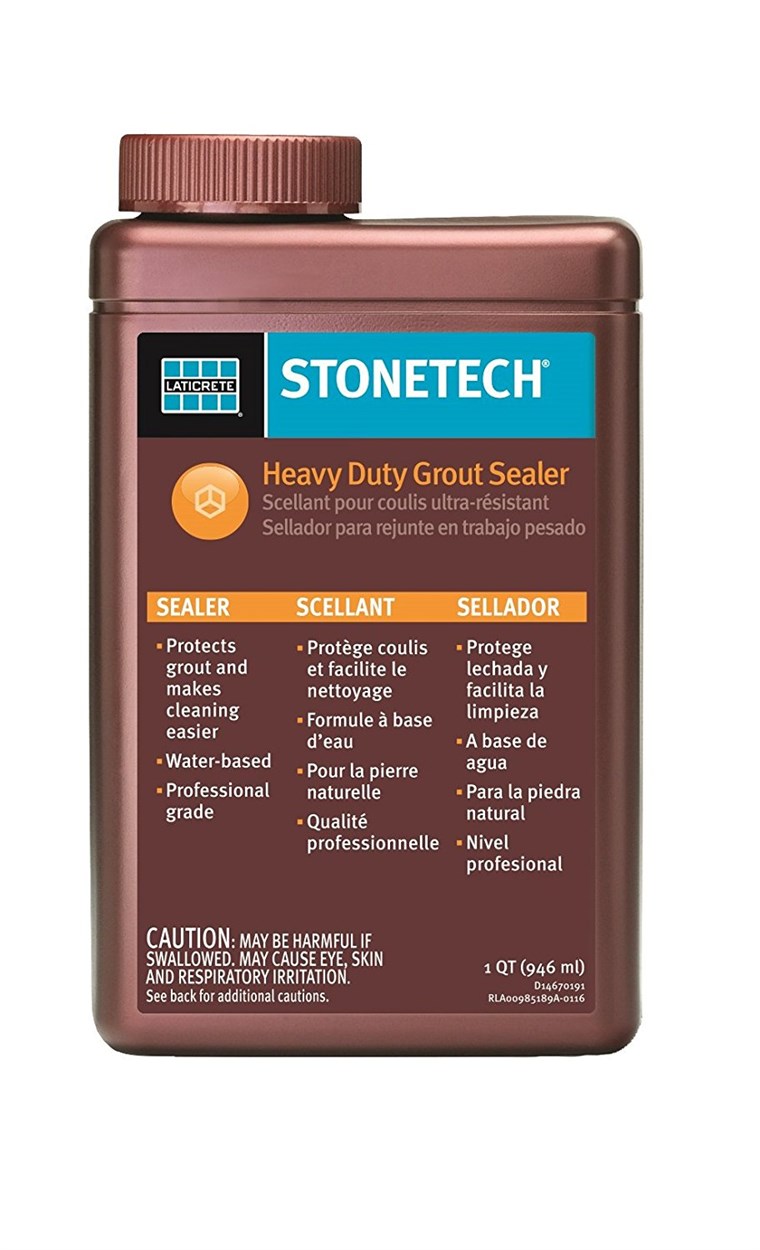
- חותמת לדיס פעם או פעמיים בשנה, בהתאם לשימוש במקלחת. זה קל לעשות, מסביר Angelora, וזה ייתן לדיוס משוחק הוסיף הגנה מפני מכתים וטחב. אתה תמצא דטום אוטם בחנויות הבית.
- הסר צלקת סבון הצטברות מדלתות מקלחת. החל הדבק של סודה לשתיה וחומץ. אפשר תערובת זו לעבוד במשך 20 דקות עד שעה, בהתאם לכמות החלאה הנוכחי. לשפשף באמצעות בד microfiber. ניתן להוסיף טיפת חומר ניקוי או כמה טיפות של מי חמצן לניקוי נוסף. כדי למנוע בעיה זו בעתיד, החלת Rain-X על דלת המקלחת לאחר ניקויו. עקוב אחר הוראות היצרן.
- נקו את המקלחת. במשך הזמן, המינרלים לאסוף את הראש במקלחת ולהפחית את זרימת המים. כדי להסיר את המינרלים, לקשור שקית פלסטיק מלאה חומץ לבן מזוקק סביב ראש המקלחת. אפשר לזה לשבת בין לילה. בבוקר, להסיר את baggie ולהפעיל את המקלחת כדי לשטוף את הצטברות מומס.
לקבלת טיפים לניקוי וילון המקלחת, עיין במדריך צעד-אחר-שלב של TODAY.

כמה פעמים אתה צריך לנקות את וילון המקלחת שלך, אניה
פברואר01:03
סיפור זה פורסם במקור 27 מאי 2016.